
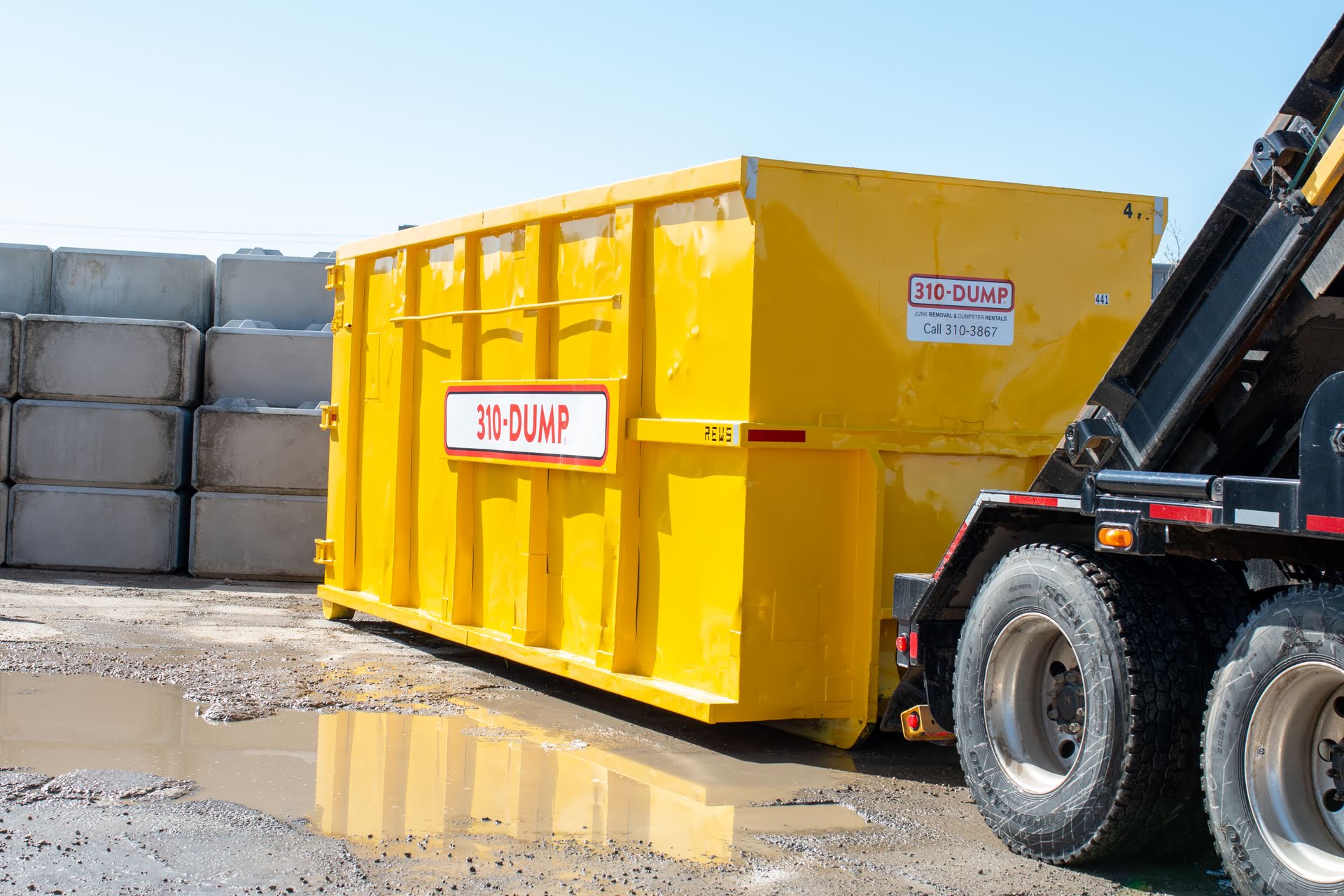
As an Alberta contractor, your world is one of precision, timelines, and logistics. Every project, from a kitchen strip-out in a suburban home to a multi-story commercial build, hinges on efficiency. A critical, and often overlooked, component of that efficiency is waste management. A poorly planned roll-off bin strategy can bring a job site to a grinding halt, lead to budget overruns, and even result in costly municipal fines.
A roll-off bin isn’t just a dumpster; it’s a logistical tool. Using it effectively means choosing the right size for the job, understanding exactly what can—and cannot—go into it, and preparing your site for its arrival and departure. This guide is built for you: the Alberta contractor, renovator, and builder who needs a no-nonsense plan for managing construction and demolition (C&D) waste.
Sizing Your Bin – Beyond the Cubic Yard
Choosing the wrong bin size is the most common and costly mistake. Go too small, and you’ll pay for extra bin swaps (pickups and drop-offs) and suffer project delays. Go too large, and you’re paying for air, wasting valuable capital that could be used for materials or labour.
Roll-off bins are measured in cubic yards. Here is a breakdown of the four most common sizes available in Alberta and the construction projects they are built for.
10 Cubic Yard Bin
- Typical Dimensions: 10 feet long x 8 feet wide x 4.5 feet high
- Best For: Small, dense-material projects. This is not your go-to for a full-scale demolition. Its lower height and smaller footprint make it perfect for disposing of heavy materials without overloading the bin.
- Common Contractor Uses:
- Small bathroom or kitchen renovations (tile, drywall, one layer of cabinets).
- Concrete or brick removal from a small patio or walkway.
- Asphalt shingle disposal from a small- to medium-sized roof (up to 1,500 sq. ft.).
- Landscaping projects involving “clean fill” (dirt, sod, rocks).
15 Cubic Yard Bin
- Typical Dimensions: 14 feet long x 8 feet wide x 4.5 feet high
- Best For: The “in-between” projects. It offers a 50% increase in volume over a 10-yard bin without a significantly larger footprint. It’s an excellent, versatile choice for many residential renovators.
- Common Contractor Uses:
- Medium-sized kitchen or basement renovations.
- Full-house carpet and flooring removal.
- Roofing tear-offs on larger homes.
- Major yard and landscaping cleanups.
- Small-scale demolition projects (e.g., a single garage or large shed).
30 Cubic Yard Bin
- Typical Dimensions: 21 feet long x 8 feet wide x 6 feet high
- Best For: Large-scale residential projects and new construction. The 6-foot-high walls allow for significant capacity for bulky, lighter-weight materials like framing, drywall, and insulation.
- Common Contractor Uses:
- New home construction (framing, siding, and finishing waste).
- Large home addition or “gut job” renovations.
- Whole-home window and siding replacements.
- Large-scale commercial interior fit-outs or office cleanouts.
- Full house demolition projects.
40 Cubic Yard Bin
- Typical Dimensions: 21 feet long x 8 feet wide x 8 feet high
- Best For: Major construction, demolition, and commercial projects. This is the largest bin typically available and is designed for maximum volume. Its 8-foot-high walls are perfect for large, bulky materials.
- Common Contractor Uses:
- Large-scale commercial construction and demolition.
- Major multi-home new builds (managing waste for an entire street).
- Industrial site cleanups.
- Large-scale roofing projects on commercial buildings.
Pro-Tip on Weight vs. Volume: A 40-yard bin filled with drywall and wood framing will weigh a fraction of a 10-yard bin filled with concrete. Always consider the type of debris, not just the volume. For heavy materials like concrete, brick, or dirt, a smaller 10- or 15-yard bin is almost always the correct choice to avoid exceeding the legal road weight limits for the truck.
What Goes In? A Contractor’s Guide to Waste Types
Construction waste is not a single category. How you manage your waste streams can directly impact your bottom line. Landfills and recycling facilities in Alberta charge different rates (tipping fees) based on the material. A bin of “clean wood” can cost significantly less per tonne to dispose of than a bin of “mixed C&D debris.”
For maximum efficiency and cost savings, consider sorting your waste. You may use one bin for mixed waste and a separate one for a high-volume, recyclable material.
Commonly Accepted Construction & Demolition (C&D) Waste
This is the standard material your waste management partner expects in a construction bin:
- Lumber & Wood: Framing cut-offs, plywood, OSB, old trim, non-treated decking.
- Drywall (Gypsum): Gypsum board and drywall mud.
- Roofing Materials: Asphalt shingles, underlayment, and roofing felt.
- Flooring: Carpet, underlay, hardwood, laminate, vinyl plank, and tiles.
- Metals: Siding, wiring, rebar, pipes, and ductwork (these are often recycled).
- Inert Materials: Brick, concrete, asphalt, and stone.
- General Debris: Insulation, non-hazardous plumbing fixtures, cabinets, and countertops.
Prohibited & Hazardous Materials: Do Not Load
Placing these items in a roll-off bin is not just bad practice; it’s illegal, poses a major safety risk, and will result in significant fines or your bin being rejected for pickup. This is not an exhaustive list, but it covers the most common offenders on a job site.
- Paints & Solvents: No liquid paint, stains, lacquers, varnishes, or paint thinners.
- Chemicals: No acids, pesticides, herbicides, or pool chemicals.
- Hazardous Materials: No asbestos-containing materials (e.g., old insulation or tiles), biomedical waste, or radioactive materials.
- Flammables: No propane tanks, fuels, oils, or batteries of any kind.
- Pressurized Containers: No aerosol cans (even if “empty”).
- Tires: Tires are not accepted in general waste bins and must be disposed of separately.
- Electronics (E-waste): No computers, monitors, or televisions.
- Appliances with Freon: No refrigerators or air conditioners.
If your project involves any of these materials, you must coordinate a special pickup or take them to a designated eco-station or hazardous waste facility. When in doubt, always call your bin provider before you load it.
Mastering Job Site Logistics
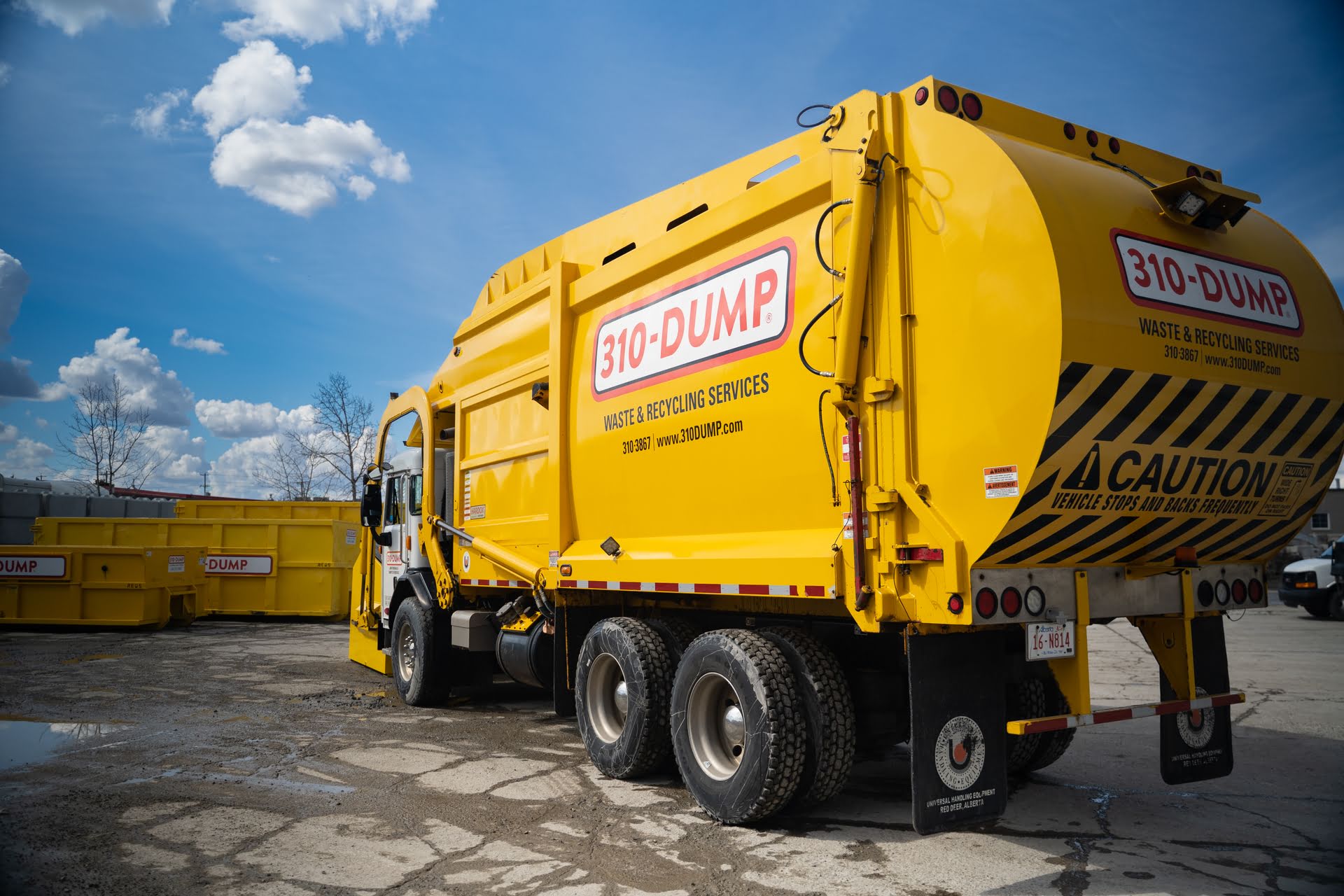
The placement and management of your roll-off bin is a critical part of your site safety and workflow. A 40-yard bin delivered by a roll-off truck is a massive, heavy-duty operation. Planning for it is not optional.
1. Permits
This is the number one logistical hurdle that can stop a project cold. The rules are simple but absolute:
- Private Property (No Permit Needed): If you place the bin entirely on your client’s private property (like their driveway or in the yard), you typically do not need a permit from the city.
- Public Property (Permit REQUIRED): If the bin will sit on any public land, you must obtain a permit. This includes:
- The street
- A back alley
- A sidewalk
- A city boulevard
Edmonton: You must apply for an On-Street Construction and Maintenance (OSCAM) permit. You should apply at least 6-10 business days in advance, as the application requires review. Fines for non-compliance are steep, and the city can order the bin’s immediate removal at your expense.
Calgary: You must obtain a Street Use Permit. This permit has a daily fee, and you must often secure a corresponding Temporary No Parking permit to reserve the space.
Your Action Plan: Always assume you need a permit if you aren’t using a driveway. The responsibility for the permit falls on you, the contractor, not the bin company.
2. Site Preparation
Before the truck arrives, your site manager should do a 5-minute check:
- Protect the Surface: A loaded roll-off bin and the truck that delivers it can weigh over 20 tonnes. Never place a bin directly on a client’s asphalt or concrete driveway without protection. Lay down sheets of plywood or thick boards to distribute the weight of the bin’s steel rails and prevent cracking, scratching, or grooving.
- Ensure Ground is Level & Stable: The spot must be flat, level, and firm. Placing a bin on soft grass, mud, or a steep incline is a recipe for disaster. The bin can sink, tip, or the truck may be unable to retrieve it.
3. Clearances
A roll-off truck is a large, straight-body vehicle that needs a surprising amount of space to maneuver.
- Horizontal Clearance (The Approach): The truck needs to back up to the spot in a straight line. You need a clear, unobstructed path of at least 60 feet (for a 22-foot bin) and a lane width of 12 feet. Remove all parked cars, equipment, and material piles.
- Vertical Clearance (Looking Up): This is the most overlooked check. The truck’s arm lifts the bin high into the air as it rolls it off. You must have a clear vertical space of at least 16 to 21 feet.
- Check for: Overhead power lines, telecommunication wires, tree branches, and the eaves of the house.
- NEVER place a bin under a power line. The risk of electrocution is severe.
4. Placement Hazards
- Do not block utility access (manholes, water mains).
- Do not block fire hydrants or emergency exits.
- Do not block neighbouring driveways or mailboxes.
- Do not place the bin on soft or unstable ground.
- Do not place the bin on a city sidewalk (it will block pedestrian access and is illegal without a permit).
5. Loading the Bin
- Level Loads Only: All material must be level with the top rail of the bin. Do not heap waste in the middle. The driver must be able to safely cover the load with a tarp for transport. Overfilled bins are a public safety hazard and will be rejected for pickup, forcing your crew to waste time levelling the load.
- Use the Door: Most bins are equipped with large “barn doors” at one end. Open these doors to walk heavy items like concrete or cabinets into the bin. This is safer for your crew (reducing the need to lift heavy items over a 6-foot wall) and allows you to pack the bin more densely.
- Heaviest Items First: Place heavy materials like concrete and brick on the bottom and at the back (near the cab) of the truck.
6. Scheduling
Your project’s timeline depends on a clear site.
- Call in Advance: Don’t wait until the bin is overflowing. Call for a pickup when the bin is full. Many companies can offer same-day or next-day service, but during peak construction season, it’s wise to give 24 hours’ notice.
- Request a “Swap”: For active demolition or construction, you can’t afford to be without a bin. Schedule a “swap-out,” where the driver arrives with an empty bin, picks up your full one, and drops the new one in its place, all in a single visit.
- Bundled Services: For a large site, ask if your provider can bundle services. A single phone call that coordinates your roll-off bin, temporary fencing, and portable toilet delivery is the definition of job site efficiency.
Conclusion
For a successful Alberta contractor, a roll-off bin is a precision tool, not an afterthought. Integrating it into your project plan from day one saves you money on disposal fees, prevents costly delays, and keeps your job site safer and more professional.
By correctly sizing your bin, you control your costs. By understanding waste streams, you leverage recycling to your financial advantage. And by mastering site logistics, you ensure your project runs smoothly, safely, and in full compliance with local regulations. A smart waste management plan is a clear sign of a smart, prepared, and professional contractor.
A full bin shouldn’t mean a stalled project. 310-DUMP offers reliable roll-off bin rentals to keep Alberta contractors on schedule. Contact us today to get a quote and learn about our bundled services for your next job site.
Explore More Articles
Seasonal Waste Management Strategies for Alberta Businesses
Operating a business in Alberta means being prepared for everything Mother Nature throws your way. From the blistering heat of July to the deep freeze of January, the prairie climate is as unpredictable as it ...
Alberta Contractor’s Guide to Roll-Off Bins: Sizing, Waste Types & Site Logistics
As an Alberta contractor, your world is one of precision, timelines, and logistics. Every project, from a kitchen strip-out in a suburban home to a multi-story commercial build, hinges on efficiency. A critical, and often ...
Commercial Waste Solutions for Retail and Hospitality Businesses
The retail and hospitality industries face unique waste management challenges that directly impact operational costs...