
Operating a business in Alberta means being prepared for everything Mother Nature throws your way. From the blistering heat of July to the deep freeze of January, the prairie climate is as unpredictable as it is extreme. While most business owners are well-versed in adjusting their heating systems or fleet tires for the seasons, one critical operational area often gets overlooked: waste management.
Waste disposal is not a “set it and forget it” utility. The changing seasons bring distinct challenges that can disrupt collection schedules, create safety hazards, and even spike your disposal costs. A dumpster that is easily accessible in September might be buried behind a snowbank in December, and a bin that smells neutral in winter can become a pest magnet in summer.
To keep your operations running smoothly, your waste management strategy needs to be as adaptable as your business. This guide explores actionable, season-specific strategies to help Alberta businesses manage their waste efficiently, safely, and cost-effectively year-round.
Seasonal Waste Management in the Winter – Conquering the Deep Freeze (December – February)
Winter in Alberta is the most challenging season for waste logistics. Sub-zero temperatures, heavy snowfall, and ice accumulation can turn routine trash pickup into a logistical nightmare. For businesses, the primary focus during these months must be access and safety.
1. Maintain Clear Access for Collection Trucks
The most common reason for missed pickups in winter is inaccessibility. Waste collection trucks are heavy, large vehicles that require significant turning and traction.
- The “Rule of Clear Space”: Ensure there is at least two to three feet of clearance around your front-load dumpster or roll-off bin. This allows the driver to maneuver the lifting forks without risking damage to the bin or surrounding property.
- Manage Snow Piles: Instruct your snow removal contractors never to pile snow in front of or against your waste enclosure. A frozen snowbank can make it impossible to open enclosure gates or roll out a bin.
- Sand and Salt: Keep the path to the bin and the pad underneath it sanded or salted. If a driver cannot safely walk to the bin or if the truck’s wheels spin on ice, they may be forced to bypass your location for safety reasons.
2. Prevent “Frozen Loads”
A “frozen load” occurs when wet waste freezes to the bottom or sides of a metal dumpster. When the truck tries to empty the bin, the contents stay stuck inside.
- Bag Wet Waste: Ensure all wet garbage (especially food waste from restaurants or breakrooms) is double-bagged and tied tightly before being thrown in.
- Keep Lids Closed: It sounds simple, but keeping the dumpster lids closed is vital. It prevents snow and freezing rain from entering the bin, melting, and then re-freezing into a solid block of ice at the bottom.
3. Account for Brittle Materials
Plastic becomes extremely brittle in temperatures below -20°C. If you use plastic carts or totes to transport waste from your building to the main dumpster, handle them with care to prevent cracking.
Seasonal Waste Management in the Spring – The Thaw and The Purge (March – May)
As the snow melts, it reveals a season of cleanup. Spring is the time to assess damage, manage moisture, and handle the “litter reveal” that occurs when the snow cover disappears.
1. Manage Mud and Soft Ground
Alberta’s spring thaw can turn solid ground into a mud pit. If your roll-off bin or dumpster is located on a gravel or dirt pad, the ground may become too soft to support the weight of a collection truck.
- Inspect the Pad: Check the stability of the ground around your waste enclosure. If it is rutted or sinking, you may need to add fresh gravel or move the bin to a concrete surface temporarily.
- Watch for Drainage: Ensure that melting snow drains away from your waste enclosure. Standing water can make access difficult for staff and drivers, and can smell unpleasant as temperatures rise.
2. The “Spring Cleaning” Audit
Many businesses use this time for annual cleanups. Whether it is purging old office files, clearing out warehouse inventory, or renovating a retail space, waste volumes often spike in spring.
- Schedule Extra Pickups: If you anticipate a large volume of waste, contact your provider ahead of time to schedule an extra lift or order a temporary roll-off bin. Overfilling your regular bin can lead to “overage” fees and loose litter.
- Yard Waste Separation: If your business has landscaping, ensure that spring yard waste (dead leaves, branches) is separated from general trash if your municipality or provider offers organics diversion. This saves landfill space and often reduces weight fees.
3. Enclosure Maintenance
Inspect your waste enclosure gates and the bin itself. Winter plows often accidentally clip fences or bollards. Repairing hinges and latches now ensures they work smoothly before the heat of summer brings other challenges.
Seasonal Waste Management in the Summer – Hygiene, Heat, and High Volume (June – August)
Summer brings heat, and heat accelerates decomposition. For businesses, particularly in food service or hospitality, summer waste management is a battle against odours and pests. It is also the peak season for construction and outdoor events.
1. Aggressive Odour and Pest Control
Hot temperatures cause bacteria to thrive, turning minor trash into a major olfactory nuisance. This can attract wasps, flies, magpies, and rodents.
- Rinse and Bag: Rinse food containers before disposal whenever possible. Tightly bagging waste deprives pests of a food source and contains smells.
- Bin Positioning: If possible, keep dumpsters out of direct sunlight during the hottest part of the day. The “baking” effect significantly worsens odours.
- Lid Discipline: Ensure lids are not just closed, but sit flush. If a lid is warped or missing, contact your provider for a repair or replacement immediately to keep pests out.
- Regular Washouts: Schedule a professional steam cleaning or pressure wash for your bins during mid-summer to remove built-up grime and sludge.
2. Managing Construction Debris
Summer is construction season in Alberta. If you are renovating or landscaping, your standard front-load bin is likely insufficient and inappropriate for construction materials like concrete, wood, or drywall.
- Rent the Right Bin: Use a dedicated roll-off bin for construction debris. Putting heavy construction material in a standard commercial dumpster can damage the bin and the truck, leading to liability issues.
- Secure Your Bins: Summer nights often see an increase in illegal dumping. If your bin is accessible to the public, consider locking it overnight to prevent others from filling the space you pay for.
3. Event Waste Management
If you host outdoor staff BBQs, sidewalk sales, or community events, plan for portable sanitation and extra waste capacity. Renting portable toilets and additional waste receptacles keeps your main facilities clean and prevents your regular bins from overflowing.
Seasonal Waste Management in the Fall – Preparation and Prevention (September – November)
Fall is the strategic bridge between the chaos of summer and the freeze of winter. It is the best time to perform preventative maintenance and prepare your site for the coming snow.
1. Leaf and Debris Management
Falling leaves can clog drainage around your dumpsters and create fire hazards if they pile up against buildings or enclosures.
- Regular Sweeping: Keep the enclosure area free of dry leaves and debris.
- Gutter Cleaning: Ensure the gutters above your loading dock or waste area are clean, so they don’t pour water onto the bin area, which will create a skating rink once the temperature drops.
2. Stake Your Territory
Before the first major snowfall, mark the edges of your waste enclosure, bollards, and curbs with high-visibility marker stakes.
- Guide the Plows: These markers are essential for snowplow operators who will be clearing your lot in the dark. They prevent accidental damage to your fence, the bin, and the plow equipment.
3. Lighting Checks
As days get shorter, waste disposal often happens in the dark for both your staff and the collection driver.
- Illumination: Check that the lighting around your waste disposal area is functional. Good lighting prevents slips, trips, and falls for your employees and ensures the driver can see the bin clearly to perform a safe lift.
Battling the Prairie Wind: Securing Containment Year-Round
While temperature and precipitation dictate much of the seasonal strategy, Alberta businesses must also contend with a constant, year-round variable: the wind. From warm Chinook gusts in the south to sudden storm fronts in the north, high winds can turn a waste enclosure into a liability hazard overnight.
The “prairie wind” presents unique challenges that require specific operational adjustments to prevent litter fines, property damage, and injury.
- Mitigate “Litter Scatter” Liability: Overfilled bins are the primary culprit for wind-blown litter. In Alberta, businesses can be fined if waste from their property blows onto public roadways or neighbouring lots. To prevent this, never fill a bin past the “water level” of the rim. If the lid cannot close completely, the wind will catch the loose debris on top and scatter it across your parking lot.
- Secure the Lids: Plastic and metal lids act like sails in high winds. A sudden gust can whip a heavy metal lid open with enough force to injure an employee or dent a vehicle parked nearby.
- Locking Bars: Utilize the locking bar (if equipped) across the top of the bin when it is not in use.
- Gravity Locks: Ask your provider about gravity locks, which automatically unlock when the truck inverts the bin but keep the lid managed during storms.
- Strategic Bin Orientation: If you have the flexibility to move your dumpster or are building a new enclosure, consider the prevailing wind direction. Positioning the bin so that the wind hits the hinge side—rather than the opening side—can help keep the lids forced down rather than blowing them open. Furthermore, utilizing your building as a windbreak can significantly reduce the force hitting your waste collection area.
- Protecting Recyclables: Recycling streams are particularly vulnerable to wind because materials like cardboard, paper, and shrink wrap are lightweight. Ensure your recycling bins are just as secure as your general waste bins. If you use open-top roll-off bins for construction material, ensure lightweight packaging (like Styrofoam or plastic wrap) is bagged or weighed down by heavier debris to keep it contained during a storm.
Year-Round Best Practices for Alberta Businesses
While seasonal tactics are vital, a solid foundation of general best practices will ensure your waste management program is efficient 365 days a year.
Conduct Annual Waste Audits
Do you know what is in your trash? An annual audit can reveal that a significant portion of your waste stream is recyclable cardboard or paper. By diverting these materials, you can often downsize your general waste bin or reduce pickup frequency, saving money on disposal fees.
Communicate with Your Provider
Your waste management partner is exactly that—a partner. If you anticipate a change in volume due to a seasonal rush (like Christmas for retail), let them know in advance. If a bin is damaged, report it immediately. Proactive communication prevents missed pickups and service interruptions.
Educate Your Team
Your waste strategy is only as good as the employees executing it. Regularly train staff on:
- What goes in which bin (recycling vs. waste)
- How to safely break down cardboard boxes (flattening them saves massive amounts of space).
- Safety protocols for taking out the trash during icy or dark conditions.
Optimize Pickup Schedules
Review your pickup schedule annually. Are you paying for a weekly pickup when your bin is only half full? Conversely, is your bin overflowing by day four, causing litter issues? Adjusting your schedule to match your actual generation rate is the easiest way to control costs.
How 310-DUMP Supports Your Seasonal Needs
At 310-DUMP, we understand the unique demands of operating in Alberta because we live and work here too. We are locally owned and operated, which means our fleet and our team are equipped to handle the specific challenges of our prairie climate.
We offer a versatile range of services to keep your business running smoothly through every season:
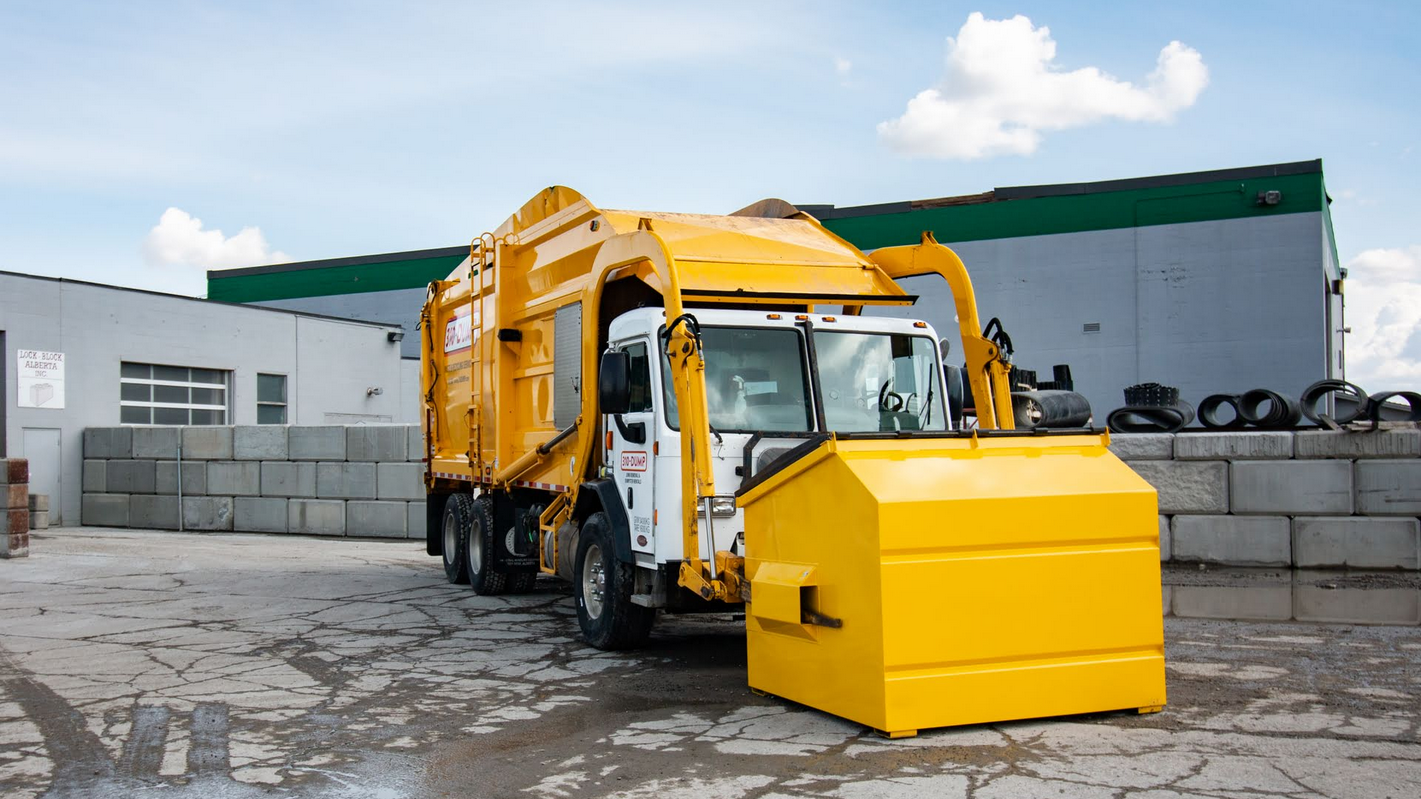
- Front-Load Dumpsters: Ideal for consistent, year-round waste generation for retail, office, and restaurant locations. We offer flexible scheduling to ensure your waste never piles up.
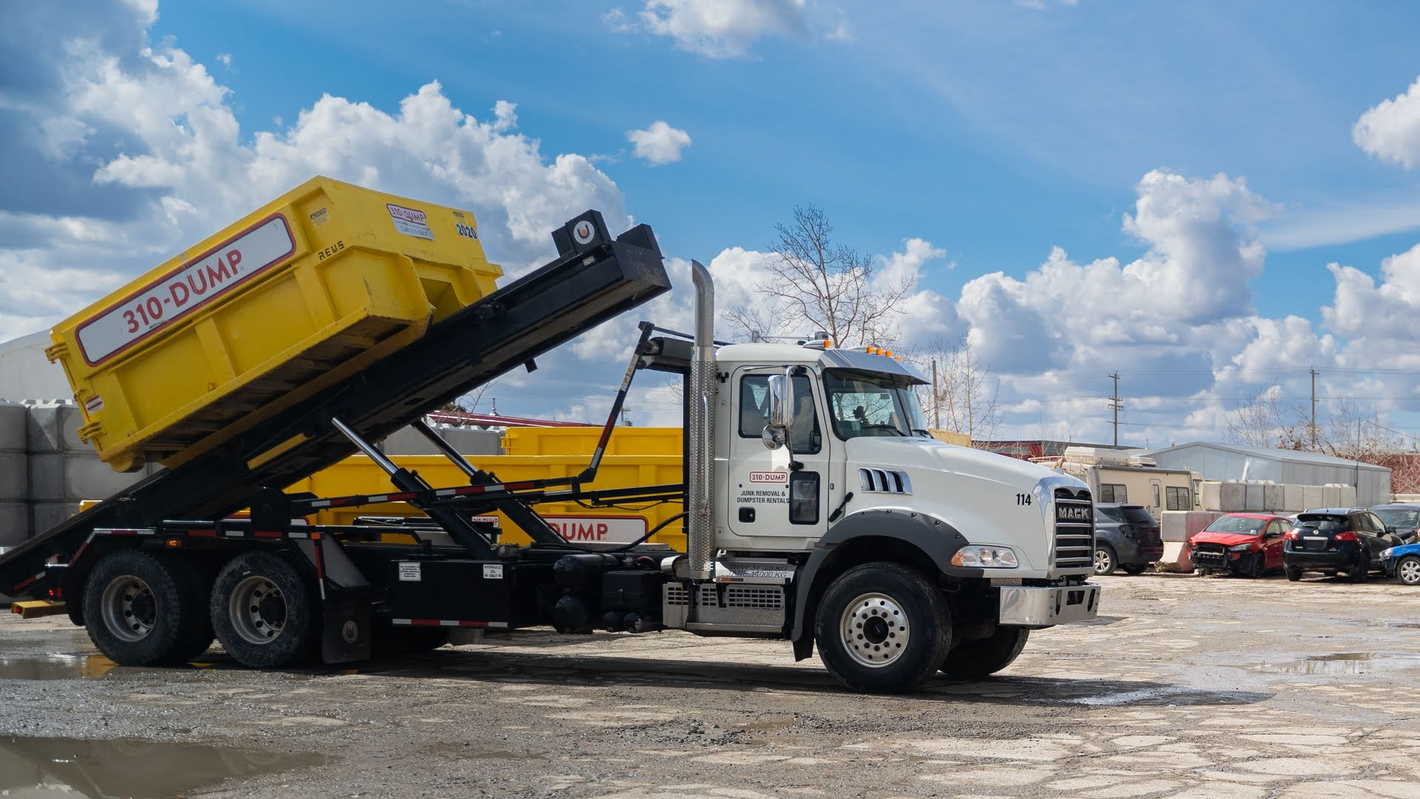
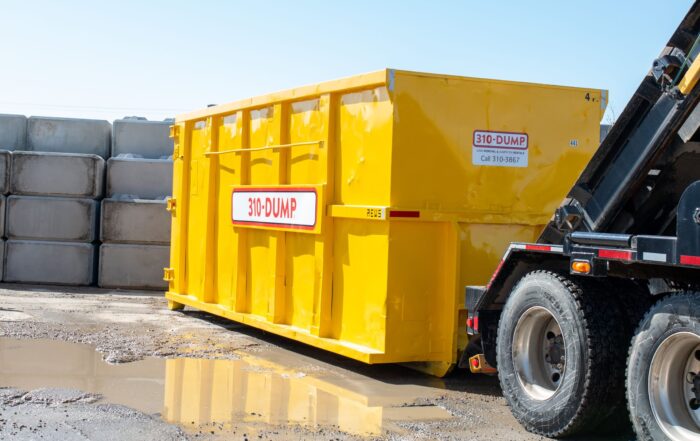
- Roll-Off Bins: Perfect for seasonal construction projects, spring cleaning purges, or heavy landscaping waste. Available in various sizes, these bins handle the heavy lifting that standard dumpsters cannot.
- Site Services: From temporary fencing to secure your summer construction site to portable restrooms for your outdoor events, we provide the infrastructure you need.
We pride ourselves on reliability. When the weather turns bad, you need a hauler that shows up. Our commitment to same-day dispatch and professional service means you aren’t left guessing when your waste will be removed. Whether you need a one-time emergency junk removal or a long-term waste management contract, we tailor our solutions to fit your business.
Conclusion
Managing waste in Alberta is about more than just tossing bags into a bin; it requires foresight and adaptability. By anticipating the challenges of each season—from the ice of winter to the heat of summer—you can protect your employees, maintain a professional property appearance, and control your operating costs. A proactive approach transforms waste management from a daily headache into a streamlined, invisible part of your success.
Ensure your business is ready for whatever the forecast holds. Contact 310-DUMP today to request a quote or discuss a customized waste management plan tailored to your specific seasonal needs. Let us handle the rubbish so you can focus on running your business.
Explore More Articles
The Strategic Edge: How 310 DUMP Roll-Off Bins Transform Business Operations and Profitability
Quick Summary Labour Recovery: Reclaim skilled man-hours by eliminating "DIY" hauling trips to the landfill. Liability Mitigation: Centralized containment reduces WCB slip-and-trip claims and fire hazards. Bylaw Readiness: Future-proof your business against the 2026 Alberta ...
Seasonal Waste Management Strategies for Alberta Businesses
Operating a business in Alberta means being prepared for everything Mother Nature throws your way. From the blistering heat of July to the deep freeze of January, the prairie climate is as unpredictable as it ...
Alberta Contractor’s Guide to Roll-Off Bins: Sizing, Waste Types & Site Logistics
As an Alberta contractor, your world is one of precision, timelines, and logistics. Every project, from a kitchen strip-out in a suburban home to a multi-story commercial build, hinges on efficiency. A critical, and often ...