
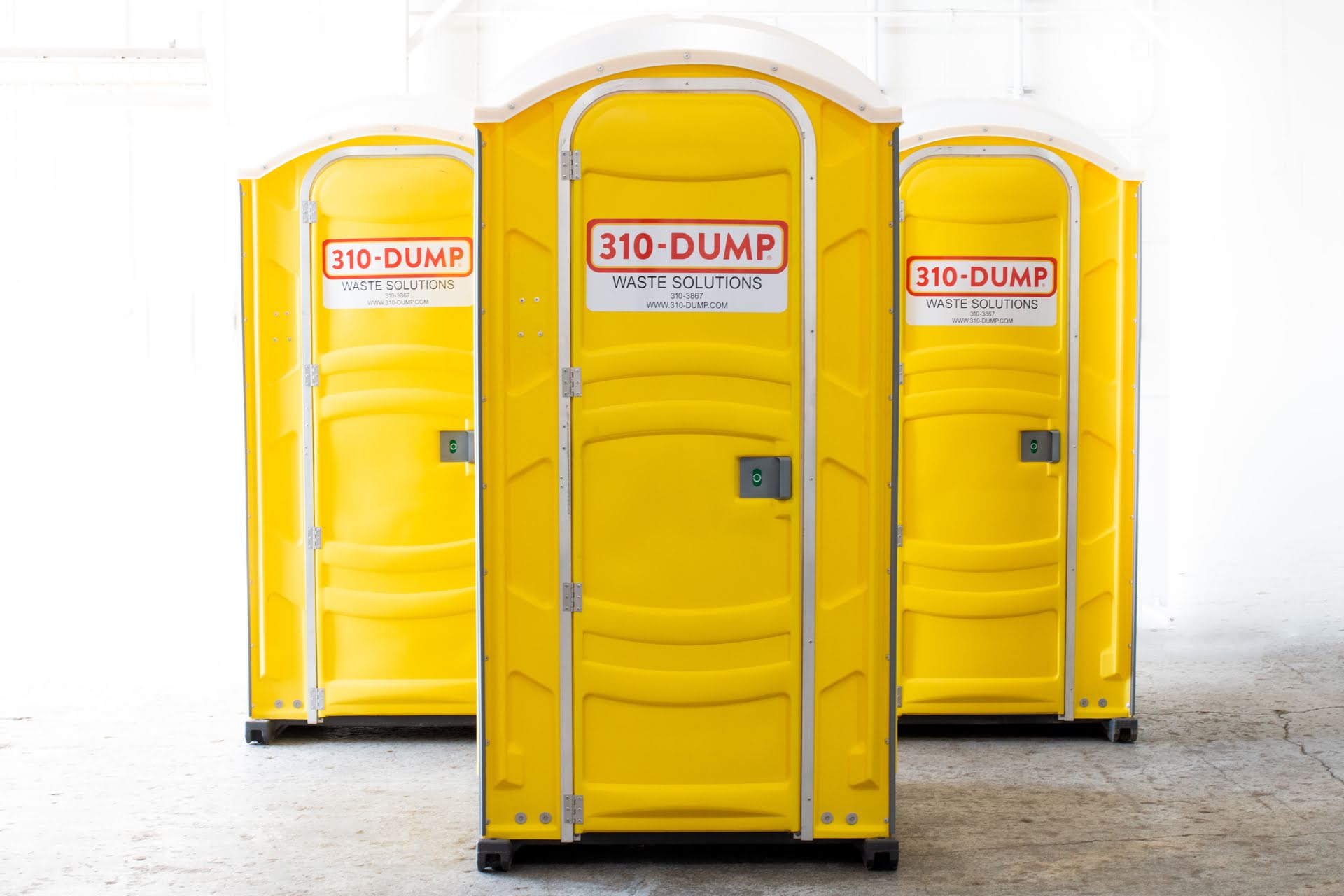
Portable toilets on a remote Alberta worksite fail in three predictable ways. The service truck can’t reach them, the pump-out schedule falls behind crew use, or the tank freezes during a cold snap. Any one of those leaves your crew without a usable washroom and leaves you out of compliance.
This guide is for site supervisors, safety coordinators and project managers running crews on lease roads, rural builds, utility corridors and industrial sites outside Edmonton and Calgary. It covers Alberta’s minimum toilet counts, how to prepare access for a heavy service truck, a planning method for setting pump-out intervals, and practical steps for keeping units usable at −30°C.
Quick Summary
- Alberta’s OHS Code requires toilets, hand cleaning facilities and supplies at temporary work sites running longer than five working days.
- Minimum toilet counts are set separately for each sex, starting at 1 toilet for 1–10 workers and reaching 5 for 76–100 workers.
- A loaded pump truck needs a plowed, firm, drivable route to within hose reach of every unit, plus room to turn around.
- Spring thaw road bans can restrict heavy vehicles on rural roads, so schedule a full pump-out before access tightens.
- Weekly servicing is a common starting point, but long shifts, larger crews and deep cold usually need a shorter interval or more units.
- At −30°C, a basic brine charge is not enough on its own. Combine heated units, wind protection and more frequent service.
- Agree in advance on what happens if a unit freezes, tips over or misses a scheduled service.
What Alberta Requires on Remote and Temporary Worksites
Alberta’s worksite sanitation rules sit in Part 24 of the Occupational Health and Safety Code. The Government of Alberta’s OHS Code Part 24 explanation guide sets out what employers must provide.
The Five-Working-Day Rule
For up to five working days, an employer can rely on arranged access to washrooms in a nearby public building or business. Once work at a mobile or temporary site runs past five working days, the full toilet requirements apply regardless of what is available nearby. Most remote sites have no nearby facilities, so the requirements apply from day one.
Minimum Toilet Counts
| Workers of specific gender on site | Minimum toilets for that gender |
| 1–10 | 1 |
| 11–25 | 2 |
| 26–50 | 3 |
| 51–75 | 4 |
| 76–100 | 5 |
| Over 100 | 6, plus 1 for each additional 30 workers over 100 |
Counts are calculated separately for each sex. A crew of 12 men and 3 women needs at least 2 toilets for the men and 1 for the women. The Code also sets rules for substituting urinals for some toilets.
Servicing and Hand Cleaning Obligations
- Self-contained toilets must be emptied and serviced often enough to prevent overflow.
- Workers need access to at least one wash basin or hand cleaning facility. Waterless hand cleanser with paper towels can qualify.
- Toilet compartments need toilet paper, and hand cleaning areas need cleaning agents, drying supplies and covered waste receptacles.
- Facilities must be kept clean, sanitary and operational when workers need them.
That last point matters on remote sites. A frozen, overflowing or unreachable unit is not operational, even if it is physically on site.
Access Roads: Can the Service Truck Reach Your Units?
On a remote site, the truck route matters as much as the toilet count. Every service depends on a heavy vacuum truck reaching each unit, pumping it, and leaving safely.
Spring Road Bans
Alberta restricts vehicle weights on roads during spring thaw, when softened road bases are easily damaged. Provincial seasonal weights start when frost probes show thaw depths of at least 25 cm, and counties and municipal districts set bans on their own local roads. Some counties cut allowable axle weights to 75% during spring bans.
A loaded pump truck can be affected, especially on gravel range roads. If your project runs through March, April or May:
- Ask your provider whether the service route uses roads that are typically banned.
- Check the provincial road ban list and the county or MD office for local roads.
- Schedule a full pump-out of every unit right before a ban takes effect.
- Add a unit to stretch the time between services while restrictions are in place.
Site Access Planning Table
| Access issue | What can go wrong | What to arrange |
| Unplowed lease or field road | Truck can’t reach units, and the service is missed | Plow and sand the route before each service day |
| Soft spring ground or muskeg | Truck gets stuck, or units sink and tilt | Set units on a gravel pad or packed base beside a firm lane |
| Locked gate or security checkpoint | Driver is turned away at the gate | Share gate codes, keys and a site contact who answers the phone |
| Site orientation required to enter | Driver can’t enter until cleared | Confirm entry requirements with your provider before the first service |
| No turnaround or pull-through | Truck can’t exit safely | Keep a turnaround area clear of materials and equipment |
| Unit placed far from a drivable lane | Hose can’t reach the tank | Place units within your provider’s hose reach of the lane |
| Work area moves along a corridor | Units are left behind or serviced at the wrong spot | Give advance notice of every relocation |
Rural sites often have no street address. Send a GPS pin or legal land description with your booking, not just a road name.
Planning a rural or remote site? Get a quote from 310-DUMP and include your site location, access route and crew size so the service plan matches your road conditions.
Pump-Out Schedules: The 4C Plan for Remote Sites
Weekly servicing is the usual starting point for job-site toilets, but remote sites rarely fit the default. The 4C Plan is a planning method for setting a service schedule that matches your crew, road and weather.
- Count: Set unit numbers from the OHS table, then add a buffer unit if crews overlap at shift change or headcount spikes on certain days.
- Clearance: Confirm the truck route works for every season the project spans, including freeze-up and spring thaw.
- Cadence: Pick a starting service interval from the table below, then adjust it after the first two services based on tank levels.
- Cold: Layer winter protection on top of the cadence: heated units, a winter tank charge and a shorter interval in sustained deep cold.
Cadence Starting Points
| Site profile | Starting interval | Shorten or add units when |
| Small crew, single day shift, units at OHS minimum or above | Weekly | Tanks are more than half full at service |
| Crew near the top of its OHS bracket, 10–12 hour shifts | Twice weekly, or add a unit | Toilet paper runs out, or odour complaints start mid-week |
| Two shifts or 24-hour operation | Two to three times weekly | Any sign of overflow risk |
| Sustained temperatures below −20°C | Weekly minimum, with winter charge checked at every visit | Ice forms in the tank or bowl |
| Road ban or access window about to close | Full pump-out right before access closes | The next possible visit is beyond safe tank capacity |
These are planning starting points, not regulatory figures. Confirm the final schedule with your provider.
Use the First Two Services as Data
Ask the driver to report tank levels and supply use at the first two visits. A tank more than half full after one week means the interval is too long for that crew. On long rural routes, adding a unit often stretches the interval more practically than adding truck trips.
Keeping Units Usable at −30°C
At −30°C, three things fail first: the holding tank freezes, hand cleaning supplies freeze, and the unit gets cold enough that workers avoid it. Each needs its own fix.
Use Heated Units for Long Winter Shifts
A standard unit offers no protection from the cold. For crews working full winter shifts, heated units keep the interior usable and slow freezing. 310-DUMP’s portable restroom rentals include heated washrooms, accessible units and restroom trailers. When booking a heated unit, ask what fuel or power it needs and who checks and refills it between services.
Know the Limits of a Brine Charge
Providers add salt brine or an antifreeze mix to holding tanks in winter. Manufacturer cold-weather guidance shows a common brine mix protects only to about −16°C. At −30°C, a winter charge works best combined with a heated unit and more frequent servicing, because each pump-out removes diluted waste and adds a fresh charge.
Place Units Against Wind and Snow
- Face doors away from the prevailing wind on your site.
- Shelter units beside a trailer or windbreak without blocking truck access.
- Clear drifts from doors and the service path after every snowfall.
- Set units on a level, packed base so they don’t tilt as the ground freezes and thaws.
Keep Hand Cleaning Working
Water-based handwash stations can freeze in deep cold. Waterless hand cleanser with paper towels is an accepted hand cleaning option under the OHS Code. Store spare cleanser and paper in a heated trailer, because wet wipes and some gels thicken or freeze in an unheated unit.
Remote Site Sanitation Timeline: Step-by-Step Checklist
Use this timeline from booking through demobilization. Each stage closes a gap that commonly causes missed services on rural sites.
Two Weeks Before Mobilization
- Calculate unit counts by sex using peak-day crew numbers, not averages.
- Map the truck route and send a GPS pin or legal land description.
- Confirm gate access and any site orientation drivers need.
- Check whether the project overlaps spring road ban season or freeze-up.
- Decide on heated units and hand cleaning supplies for winter work.
Delivery Week
- Prepare level, firm pads beside a drivable lane.
- Plow and sand the route to every unit location.
- Mark unit locations and keep turnaround space clear.
- Stock waterless hand cleanser, paper towels and spare toilet paper.
Every Service Day
- Clear snow from doors and the service path.
- Unlock gates and keep the site contact reachable by phone.
- Record the tank levels and supply use in the driver reports.
During Cold Snaps Below −25°C
- Ask your provider about an extra service or winter charge top-up.
- Check heater fuel or power daily on heated units.
Before Access Closes or Demobilization
- Book a final pump-out before road bans or seasonal road closures.
- Give notice for pickup and keep the removal path clear.
Need heated units or a winter service plan? Call 310-DUMP at 1-888-339-3867 or request a quote online.
Common Mistakes
- Using average crew size instead of peak. Toilet counts and service intervals should reflect the busiest days, such as concrete pours or shutdown crews.
- Booking by road name only. Rural sites without a civic address get missed without a GPS pin or legal land description.
- Forgetting the turnaround. A truck that can reach a unit but can’t turn around may not be able to service it.
- Ignoring road ban season. Projects that start in winter often run into spring restrictions with no plan for servicing.
- Relying on brine alone in deep cold. A winter charge has limits, and −30°C can exceed them without heat or extra service.
- Placing units for convenience, not access. Tucking units behind materials or equipment blocks the service hose.
- Leaving no site contact. Drivers who can’t reach anyone at a locked gate usually have to leave.
What To Do If Something Goes Wrong
A Unit Freezes
Close the unit to use and open a backup unit or arrange temporary access to another facility. Don’t chip ice or pour hot water into the tank, which can damage it. Call your provider to arrange servicing and ask whether a heated unit or shorter interval is needed for the rest of the cold period.
A Unit Tips Over or Is Damaged
Keep workers away from the spill area and contact your provider right away. 310-DUMP’s FAQ notes that it will arrange cleanup, servicing or replacement for a damaged or tipped unit, and that extra charges may apply depending on the damage. Before the replacement arrives, check whether wind exposure or an uneven base caused the tip.
A Service Is Missed Because of Access
Find out exactly what stopped the truck: snow, a locked gate, soft ground or a blocked lane. Fix that issue the same day and book the next available service. If tanks are near full, close the fullest unit until it is pumped.
A Road Ban Starts Earlier Than Expected
Call your provider as soon as a ban is announced on your route. Ask about servicing before the effective time, adding units to stretch the interval, or alternate routes that remain open.
Pair Toilets With Bins and Fencing on the Same Site
Remote sites usually need debris containment and perimeter control as well as sanitation. Booking these together means one set of access instructions, one site contact and fewer separate truck schedules to coordinate.
- Roll-off bins for construction handle lumber, drywall, concrete and other site debris.
- Temporary fencing secures laydown yards and keeps the public away from hazards.
- 310-DUMP offers bundled pricing and priority service when you combine bins, toilets and fencing.
For broader cold-weather and seasonal planning, see Seasonal Waste Management Strategies for Alberta Businesses.
Frequently Asked Questions
How many portable toilets does an Alberta worksite need?
Alberta’s OHS Code sets minimums for each sex based on the number of workers of that sex. One toilet covers 1–10 workers, two cover 11–25, and the count rises to five for 76–100 workers. Add a buffer unit for overlapping shifts or peak-day crews.
Do I need portable toilets for a short remote job?
For up to five working days, you can arrange access to washrooms in a nearby public building or business instead. If no nearby facilities exist, or the job runs longer than five working days, the full toilet requirements apply.
How often should portable toilets be pumped on a remote site?
Weekly servicing is a common starting point for job sites. Larger crews, 10–12 hour shifts, 24-hour operations and sustained deep cold usually need a shorter interval or more units. Use the tank levels reported at the first two services to adjust.
Can portable toilets freeze at −30°C?
Yes. Holding tanks, hand cleaning supplies and door hardware can all freeze in deep cold. Heated units, a winter tank charge, wind protection and more frequent servicing keep units usable.
What happens if the service truck can’t reach my units?
The service is usually missed, and tanks keep filling until the next visit. Keep the route plowed, firm and unlocked, with turnaround space and a reachable site contact. If a service is missed, fix the access issue and rebook right away.
Do spring road bans affect portable toilet servicing?
They can. Alberta and local municipalities restrict vehicle weights on thawing roads, which can limit heavy pump trucks on rural routes. Schedule a full pump-out before bans take effect and ask your provider about adding units.
Is a handwashing station required on a remote worksite?
Workers must have access to at least one wash basin or hand cleaning facility. Under Alberta’s OHS Code, a waterless hand cleanser with paper towels can meet this requirement, which is often more practical than water-based stations in freezing weather.
Conclusion
Remote site sanitation comes down to four checks: the right unit count for your crew, a truck route that works in every season, a service interval based on real tank levels, and winter protection that holds at −30°C. Plan each one before mobilization, and most service failures never happen. When something does go wrong, a backup unit, a reachable site contact, and a fast call to your provider keep the site compliant.
310-DUMP provides standard, accessible and heated portable restrooms for job sites across Edmonton, Calgary and surrounding areas. Share your site location, access route and crew size, and the team will help match units and service frequency to your conditions. Contact 310-DUMP or call 1-888-339-3867 to get started.
Explore More Articles

Calgary Business Recycling Bylaw Compliance: A Front-Load Dumpster Setup Guide
If you run a business, manage a commercial property, or operate a restaurant in Calgary, you are legally required to recycle and separate food and yard waste, not just throw everything in one garbage bin. ...
How Alberta Franchise Operators Can Standardize Waste Management Across Multiple Locations (and Cut Costs Doing It)
If you operate more than one franchise location in Alberta, you already know that waste management rarely gets the same attention as staffing, inventory, or sales. Yet inconsistent bin sizes, mismatched pickup schedules, and one-off ...
Are Edmonton Property Managers Overpaying for Waste Removal? Municipal vs. Private Front-Load Dumpster Costs Compared
Quick Summary Municipal communal bin collection in Edmonton is billed through a fixed monthly waste utility rate, not usage, so heavy-volume properties often pay for capacity they do not fully control. Private front-load dumpster service ...


